


Seal and Bearing Systems in Heavy-Duty Submersible Sludge Pumps
In heavy-duty pumping applications, submersible sludge pumps are rarely judged by flow rate alone....
Effective lagoon and pond dredging relies on how efficiently equipment can capture, contain, and move high solids material without increasing turbidity or causing unnecessary downtime. The dredge sled is engineered for environments where lined cells, limited access, and variable sludge conditions often reduce the performance of traditional dredging systems. Its design elements, such as hull geometry, suction intake positioning, pump compatibility, and controlled movement patterns, directly influence how much sediment is captured in each pass and how consistently that material is transported through the slurry line. For operators in wastewater, industrial processing, mining, and tailings management, understanding these design factors is essential for improving project productivity and reducing the cost per cubic yard removed.
Sediment accumulation in lagoons, ponds, canals, and tailings facilities reduces active storage volume and disrupts normal process flows. As sludge builds up, treatment systems lose hydraulic capacity, aeration efficiency declines, and operators face higher operating costs due to increased loading on downstream processes. Poor sediment removal can also trigger compliance issues, as excessive resuspension elevates turbidity and can negatively affect water quality indicators that regulators closely monitor. Industry guidance, including insights from organizations such as IADC Dredging, highlights that incomplete or inefficient sediment removal often results in more frequent dredging cycles, unplanned shutdowns, and potential penalties when discharge or effluent limits are exceeded. In these environments, sediment capture quality is a direct operational risk factor, not a secondary concern.
The dredge sled has become a practical solution for facilities where large cutterhead dredges or barge-mounted systems are either unnecessary or physically unsuitable. Small to mid-size lagoons, lined industrial ponds, wastewater treatment basins, and tailings cells often have restricted access, shallow depths, or soft bottoms, making traditional dredging equipment performance inefficient and costly to deploy. This is where the sled provides value. Its low-profile, liner-safe design and ability to pump high solids make it well-suited for steady, controlled sediment removal. For operators working with Pump and Dredge Rentals, the sled aligns with the company’s focus on high-solids, heavy-duty rental equipment that is engineered for reliable performance in challenging sludge environments. The result is a more predictable sediment capture process that supports compliance goals and reduces long-term dredging costs.
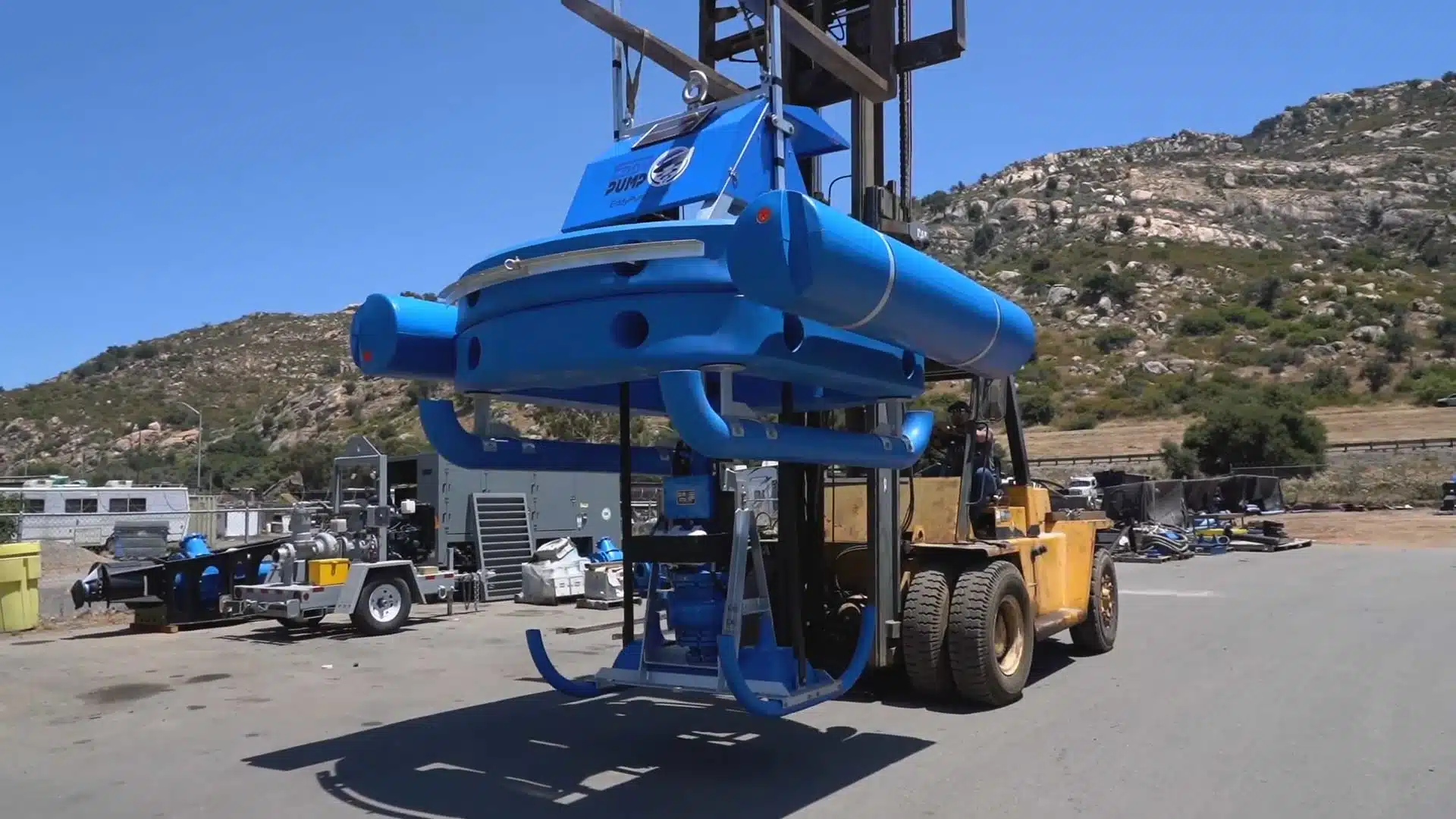
A dredging equipment performance begins with its hull geometry. The sled is designed to glide across the pond or lagoon floor with controlled contact pressure that prevents digging, gouging, or disturbing synthetic liners. This stability maintains the suction intake at a consistent height above the sediment bed, which is essential for capturing dense material without drawing in excess water. By maintaining this steady operating position, the sled improves solids concentration and minimizes disturbances that would otherwise increase turbidity.
Sediment capture efficiency is directly influenced by the interaction between the suction head and the settled material. The sled positions the intake at an angle that promotes the upward flow of sludge, mud, or sand into the pump while reducing resuspension. This controlled approach supports higher solids loading and reduces the number of passes required. Because Pump and Dredge Rentals prioritizes high-solids pumping systems, the sled pairs with sludge pumps capable of handling viscous and abrasive material, further strengthening the overall capture rate.
The buoyancy and footprint of the sled determine how it moves across soft bottoms. Properly distributed weight prevents the sled from plowing into the sediment while still allowing enough downward force to maintain traction and stability. This balance ensures the sled skims the surface effectively and keeps the suction zone fully engaged with the target material. By avoiding unnecessary penetration or excessive lift, operators maintain a consistent removal depth and predictable sediment transport volume.
The performance of dredging equipment’s sediment transport is closely tied to the pump it supports. High-solids pumps enable the sled to move material with minimal dilution, thereby improving project efficiency and reducing the total volume that must be processed or dewatered. Typical production ranges for sled systems fall within the operational window needed for small to mid-size lagoons and tailings cells, enabling steady removal rather than short, high-turbulence bursts. This predictable output helps operators plan discharge routing, dewatering schedules, and cycle times more accurately.
Different sites require different pumping capacities. A 4-inch sled configuration is suitable for lighter sludge loads, shorter discharge distances, and projects where precise control is more important than maximum throughput. The 6-inch option supports higher volumes, longer pipeline runs, and denser materials. Pump and Dredge Rentals provides both configurations to ensure the dredging equipment performance aligns with each site’s hydraulic conditions, target production rates, and slurry characteristics. Matching pump size to sediment density and discharge-line friction losses helps prevent pipeline settling and downtime.
Some ponds contain compacted or consolidated sediment layers that do not break apart easily. Optional jetting rings can be added to the dredge sled to loosen these layers prior to suction, reducing resistance and improving solids uptake. This controlled agitation limits plume formation and helps maintain uniform dredge passes. Pump and Dredge Rentals offers these additions to support sites dealing with older lagoons, high-clay tailings, or industrial sludge that has stiffened over time.
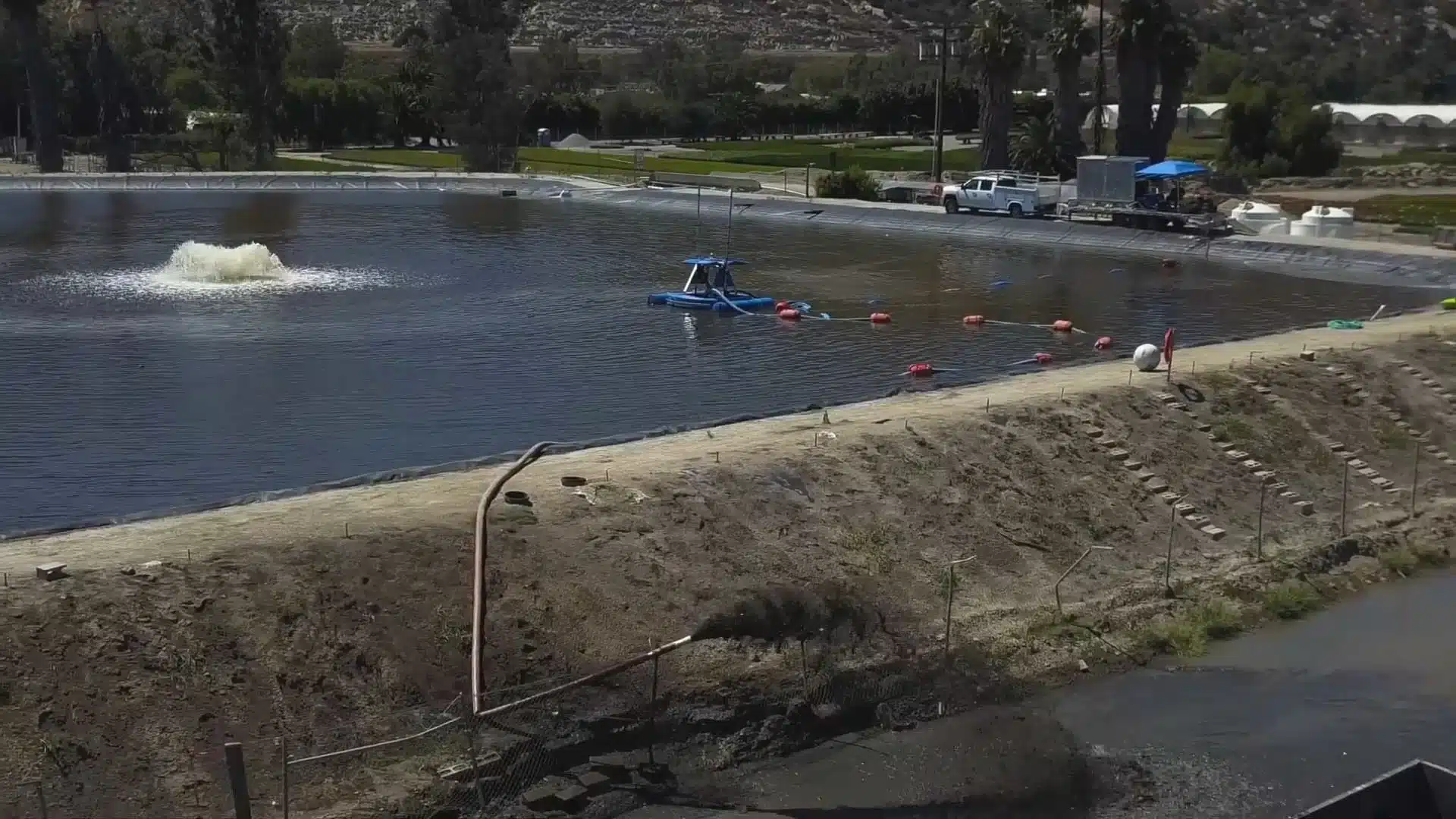
A dredge sled operates with minimal disturbance to the water column because it does not rely on cutting heads, rotating tools, or aggressive mechanical agitation. Its controlled gliding motion keeps the suction intake close to the sediment layer, allowing material to be captured before it disperses into the surrounding water. This approach reduces plume formation and helps facilities maintain turbidity within required regulatory thresholds. For sites where compliance is tied to water clarity, such as wastewater lagoons and industrial treatment ponds, this design characteristic becomes a central operational advantage.
Many dredging environments cannot tolerate excessive sediment resuspension due to environmental restrictions or process sensitivity. The dredge sled’s steady travel speed, shallow operating angle, and predictable pass pattern limit shear forces on the sediment surface. This ensures that the majority of disturbed material is immediately captured by the suction system rather than released into the water column. As a result, operators maintain better control over water quality, avoid unplanned shutdowns, and reduce the need for post-dredging clarification efforts.
Pump and Dredge Rentals focuses on equipment engineered for lined, shallow, or access-constrained lagoons where conventional dredging systems can pose risks. The dredge sled’s liner-safe design, low-profile structure, and consistent solids handling make it well-suited for these conditions. Facilities can continue operating adjacent processes while dredging occurs, which is especially valuable for wastewater plants and industrial production sites that cannot accommodate extensive downtime. This combination of operational stability and regulatory compliance is a core reason the dredge sled is widely deployed through Pump and Dredge Rentals across multiple industries.
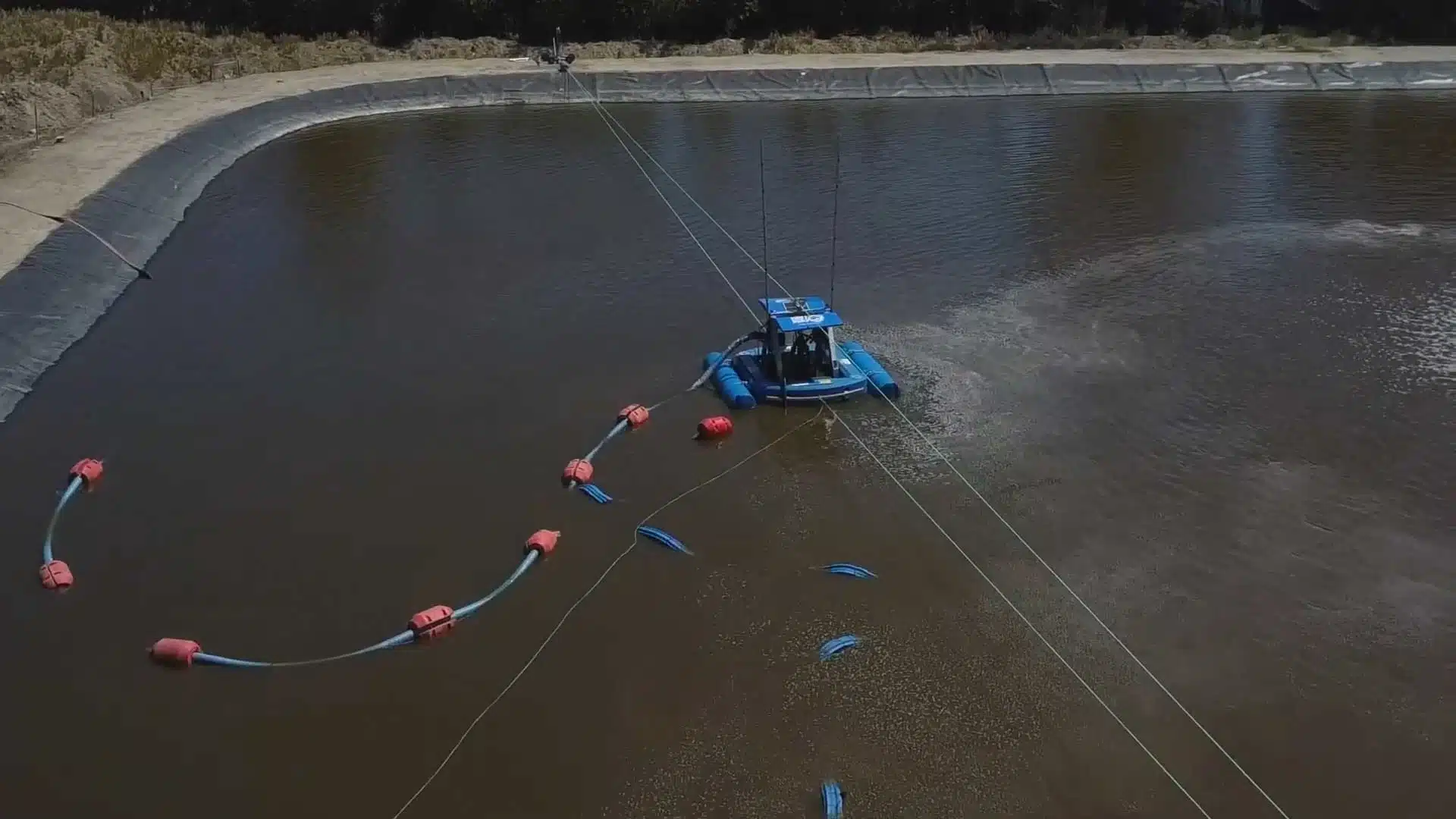
A dredging equipment performance relies on shore-based winches to guide its movement across the lagoon or pond. This setup allows operators to create predictable, repeatable pass patterns that cover the entire dredging area without gaps or excessive overlap. By managing tension and direction through a defined winch layout, the sled advances at a consistent pace, stabilizing solids intake and improving the accuracy of each removal pass. This controlled movement directly contributes to uniform sediment capture and dependable production rates.
The dredge sled’s simple operating structure enables single-operator management, even during continuous dredging cycles. Operators control the sled from shore rather than from a floating platform, reducing labor requirements and removing personnel from potentially hazardous water conditions. For Pump and Dredge Rentals clients, this operating model supports cost efficiency and aligns with sites that require long-duration dredging without the staffing demands typical of larger mechanical dredges. Unmanned operation also reduces variability in pass speed and depth, strengthening overall dredging equipment performance.
Some dredging sites benefit from greater automation of movement control, especially when the goal is to maintain uniform dredge depth and pass spacing over extended shifts. Rail-guided or semi-autonomous systems maintain consistent sled alignment and reduce operator burden during repetitive tasks. This level of automation helps standardize production, minimizes operational variability, and ensures that sediment transport targets are met more consistently. For facilities with strict performance benchmarks or limited on-site labor, these options deliver measurable gains in efficiency and throughput.
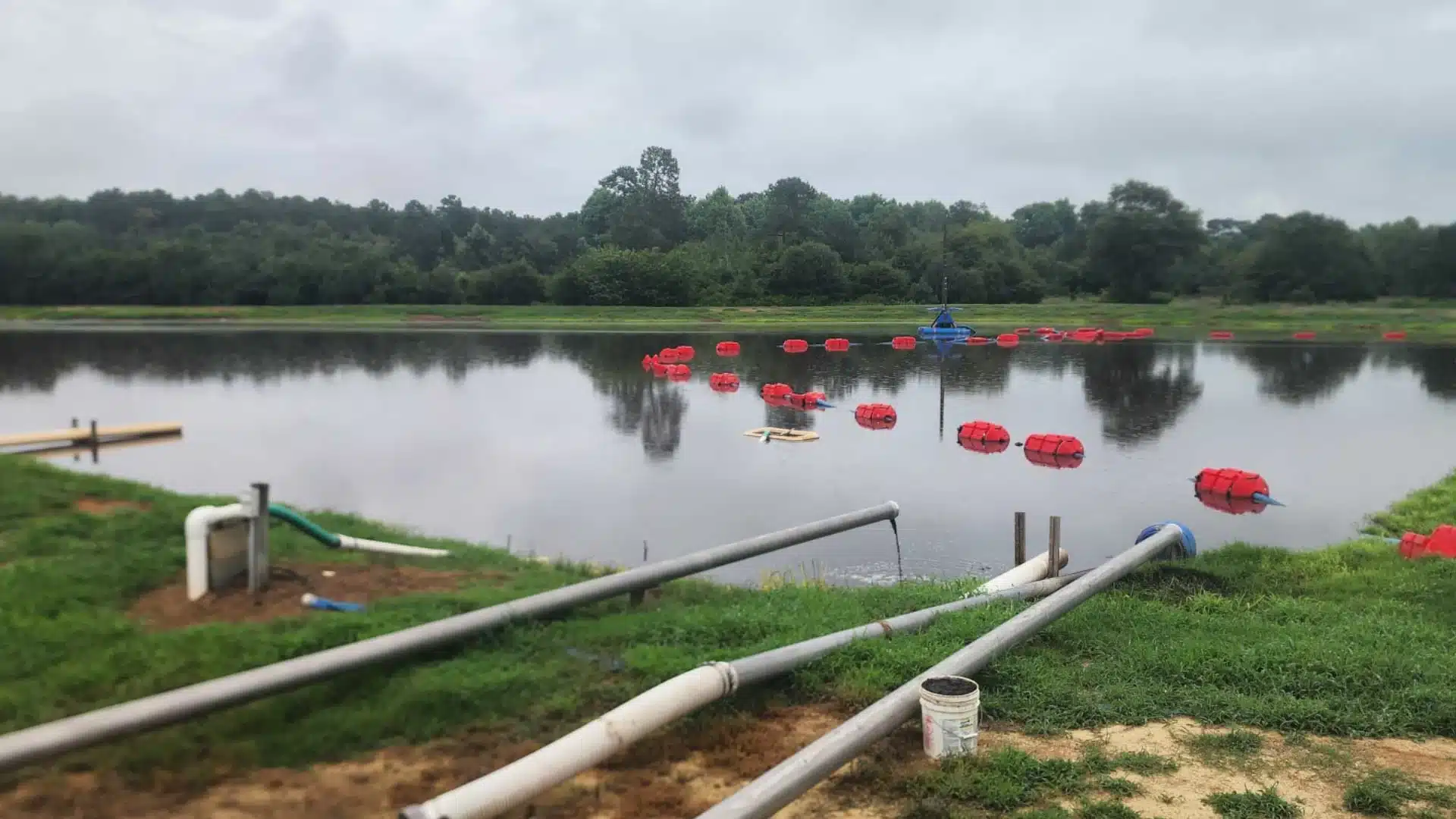
Once the sled captures sediment, the efficiency of the transport path determines how reliably the material reaches its discharge point. Maintaining the correct slurry velocity is essential, as low flow rates increase the risk of solids settling in the pipeline, leading to blockages and unplanned shutdowns. Proper pipeline sizing, routing, and length-to-elevation planning ensure that the pump’s output matches the system’s hydraulic requirements. For operators renting through Pump and Dredge Rentals, this design step is supported with guidance on selecting appropriate hose diameters, discharge distances, and operational pressures to keep the sediment stream moving consistently.
Captured sediment must be processed, stored, or dewatered once transported out of the lagoon. The dredge sled integrates easily with a range of downstream handling systems, including geotextile tubes, settlement basins, dewatering cells, and tailings infrastructure. By pairing the sled with compatible pumps and supporting equipment, Pump and Dredge Rentals helps operators create a streamlined flow path from floor to final disposal. This ensures that bottlenecks do not disrupt the sediment removal process at later stages and that production rates remain aligned with the site’s dewatering capacity.
Real-time monitoring tools play an important role in assessing whether the dredging equipment performance is delivering the required sediment transport. Flow meters, density meters, and turbidity sensors help operators verify whether solids concentration, flow stability, and water quality limits are being maintained. These metrics allow teams to make timely adjustments to pump speed, winch movement, pipeline layout, or discharge planning. For long-duration projects, this data-driven approach improves accuracy, reduces downtime, and strengthens the overall reliability of the sediment transport system.
The effectiveness of dredging equipment is measured by how much sediment it moves per hour and the density of that material. Higher solids concentration reduces the total volume pumped and minimizes downstream dewatering costs. Tracking production rate in cubic yards per hour gives operators a clear view of whether the sled and pump combination is performing as expected. Consistent monitoring allows quick adjustments to winch speed, pass overlap, or pump output to maintain target production levels.
Water quality indicators remain central to dredging operations in regulated environments. Turbidity readings taken near and downstream of the dredging area confirm whether the sled’s low-disturbance design is maintaining acceptable plume boundaries. Because the sled captures sediment at the point of disturbance, operators typically see stable turbidity levels even during continuous removal. Tracking these values supports regulatory reporting and prevents costly interruptions due to exceedances.
Operational reliability directly affects total project cost. Monitoring uptime ratios helps determine whether the sled, pump, and associated equipment are functioning within expected maintenance cycles. Pump and Dredge Rentals emphasizes durable, high-solids pumping systems with straightforward servicing requirements, allowing facilities to run longer between interventions. Recording downtime reasons provides data to optimize future dredging plans, improve equipment selection, and reduce repeat maintenance events.

A successful sled deployment begins with accurate site information. Pump and Dredge Rentals reviews key operational inputs, including lagoon dimensions, sediment depth, estimated volume, material characteristics, discharge distance, access limitations, and regulatory requirements. These details allow the team to determine whether a 4-inch or 6-inch sled configuration is more appropriate, what realistic production rates are, and how the transport line should be designed. This structured assessment reduces uncertainty and ensures the selected equipment aligns with actual site conditions rather than assumptions.
Every site has different operational constraints, and Pump and Dredge Rentals structures each dredge-sled setup to support the facility’s sediment-transport plan. This includes aligning pump size with the required flow velocity, selecting hoses capable of handling abrasive or viscous material, planning winch layouts for full coverage, and integrating optional components, such as jetting rings, when material consolidation is a concern. By tailoring these choices to the customer’s objectives, the company ensures that sediment capture, throughput, and downstream handling capacity remain consistent throughout the project.
Pump and Dredge Rentals provides comprehensive support before and during equipment deployment. Operators receive practical training on winch control, pump operation, sediment monitoring, and safety considerations to ensure stable production from the start. During the project, the team remains available for remote troubleshooting, performance evaluation, and operational adjustments. This ongoing technical support reduces downtime, strengthens overall dredging equipment performance, and gives operators confidence when managing long-duration or high-solids dredging campaigns.
The dredge sled delivers value not because it is simpler than traditional dredging systems, but because its design directly supports controlled sediment capture and consistent sediment transport. Hull stability, intake positioning, pump compatibility, and guided movement patterns work together to maintain high solids concentration, low turbidity, and predictable throughput. When these elements are correctly matched to site conditions, operators achieve a lower cost per cubic yard removed and reduced operational risk.
For facilities working with Pump and Dredge Rentals, this performance is strengthened by purpose-built equipment for high-solids, liner-sensitive environments and by technical guidance throughout the project lifecycle. By aligning sled design with production goals, discharge requirements, and compliance needs, operators can achieve a more efficient and reliable dredging strategy that delivers measurable operational improvements.
In heavy-duty pumping applications, submersible sludge pumps are rarely judged by flow rate alone....
Mud pump rental has become a strategic choice across heavy industries, from oil and gas drilling...
Dredging equipment manufacturers are the driving force behind the innovation and reliability that...